
Your Shield in Property Purchase: Why Every Flat Buyer Must Master RERA
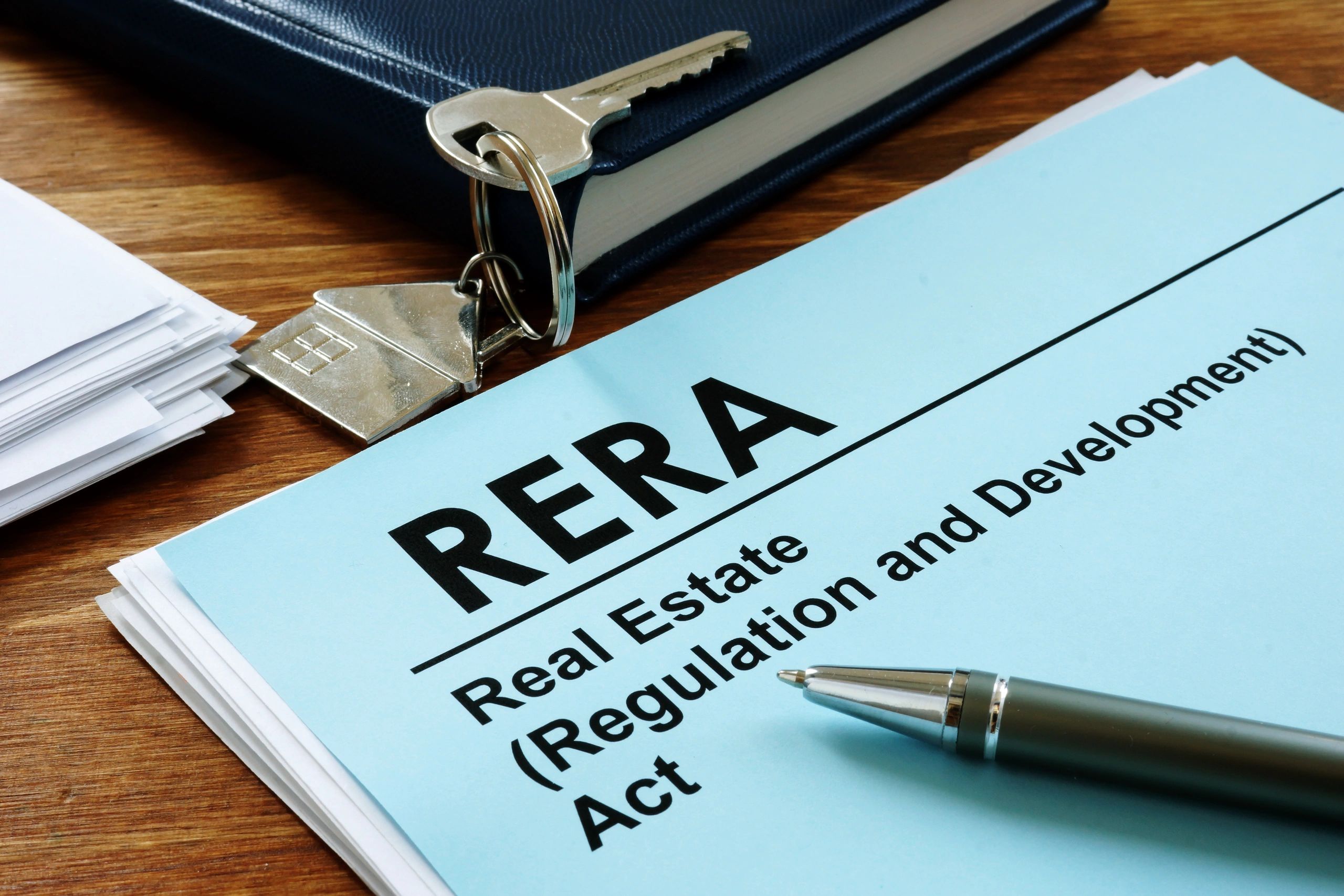
Buying a flat in India isn’t just about finding the right location or negotiating the price—it’s about securing your future with confidence. With rising instances of project delays, cost escalations, and misrepresentation, homebuyers need more than just a strong builder reputation; they need legal protection. Enter the Real Estate (Regulation and Development) Act, 2016—commonly known as RERA—a game-changer for first-time buyers navigating the complex landscape of residential real estate in cities like Mumbai, Pune, Bangalore, and beyond.
RERA was introduced to bring transparency, accountability, and trust into real estate transactions. Every registered project must disclose timelines, allotment details, and financial usage—ensuring buyers are no longer in the dark. Under RERA, developers must deposit 70% of buyer collections into a dedicated escrow account, drastically reducing the risk of fund diversion.
In this guide, you’ll learn how to:
- Verify a project’s RERA registration number and interpret its details
- Understand your rights to timely possession, clear title, and accurate carpet area
- File grievances through the RERA appellate tribunal if delays occur
- Leverage RERA norms to negotiate refunds or compensation
Arming yourself with RERA knowledge isn’t optional—it’s essential for every flat buyer aiming to protect hard-earned savings in today’s regulated market.
What You Need to Know About RERA as a Flat Buyer
The Real Estate (Regulation and Development) Act, 2016—commonly known as RERA—was introduced to bring transparency, accountability, and trust back into India’s real estate sector. For flat buyers, especially in rapidly growing markets like Mumbai, Pune, and Bengaluru, RERA acts as a shield against unethical practices such as project delays, false advertising, and fund misappropriation. Under this law, every real estate project above a specified size must be registered with the respective state’s RERA authority, ensuring that only verified developers can solicit public investment.
RERA mandates full project disclosure, including land title status, approved plans, timelines, and financials, all of which must be made accessible to buyers. One of its core objectives is timely project completion—developers must adhere to declared deadlines or face financial penalties and potential project takeover. Buyers also benefit from carpet area-based pricing, eliminating confusion over built-up or super area measurements.
Additionally, RERA establishes an oversight mechanism for dispute resolution, allowing homebuyers to file complaints online and seek compensation. Funds collected from buyers are directed into escrow accounts, ensuring that only 20–25% can be withdrawn during construction, thus safeguarding buyer interests. In cities like Thane and Navi Mumbai, RERA compliance has significantly reduced buyer risk in under-construction developments.
Understanding RERA rights empowers you to demand project updates, verify approvals, and act swiftly if promises are broken.
5 Critical RERA Rights Every Flat Buyer Must Know
Real estate purchases are among the most significant financial decisions for Indian families, making it essential to understand your protections under the Real Estate (Regulation and Development) Act, 2016 (RERA). Whether you’re investing in a new flat in Mumbai, Pune, or any registered project across India, knowing your statutory rights ensures accountability from developers and reduces the risk of delays or fraud. Here are five fundamental rights every buyer should actively monitor:
- Right to Timely Possession of the Property
Under RERA, homebuyers have a statutory right to receive possession of their flat on or before the date promised in the agreement. If the developer fails to deliver without a force majeure event, you’re entitled to either a monthly penalty for each delay or the option to withdraw with a full refund plus interest. Always verify the scheduled possession date in the RERA-registered project details and monitor progress through official project updates. - Right to Transparent and Final Pricing
Developers must disclose all-inclusive project pricing—covering unit cost, parking, additional floors, and maintenance charges—without hidden levies. Any post-agreement price hikes are illegal unless explicitly tied to cost variation clauses pre-approved in the RERA filing. This ensures your budget stays protected from arbitrary additions during payment installments. - Right to Access Complete Project Information
RERA mandates full project transparency, including sanctioned plans, layout designs, land title status, approvals, and quarterly progress reports. These are accessible via the state-specific RERA portal, enabling buyers in cities like Thane or Navi Mumbai to verify authenticity and track construction milestones independently. - Right to Withdraw from the Agreement
If a developer fails to adhere to timelines or materially alters project plans (e.g., reducing green space or changing tower configuration), buyers can exit the project with a full refund of the amount paid, along with interest and compensation as applicable under state RERA rules. - Right to Fast-Track Grievance Redressal
In case of disputes—be it possession delays, deviation in specifications, or misrepresentation—you can file a complaint with the state RERA authority. These tribunals are designed for speedy resolution, typically within 60–90 days, and decisions are binding. This eliminates the need for prolonged civil litigation in most consumer disputes.
By staying informed and vigilant, flat buyers can leverage RERA not just as a shield—but as a tool to ensure fairness, transparency, and peace of mind in every transaction.
Decoding Developer Disclosures: How to Verify Project Legitimacy Under RERA
Under the Real Estate (Regulation and Development) Act (RERA), real estate developers across India are legally obligated to make full and timely disclosures about their projects. These mandatory disclosures empower homebuyers to make informed, confident decisions—especially when investing in under-construction properties in high-demand areas like Mumbai, Thane, or Navi Mumbai. Here’s how to systematically verify a project’s legitimacy using RERA-mandated disclosures:
- Access the Project’s RERA Registration Number
Start by confirming the project is RERA-registered. Every approved project must display a unique RERA number (e.g., MH/MUM/… for Mumbai-based projects). Visit your state’s RERA portal and enter this number to access the official project dashboard. - Review Approved Project Plans and Layouts
Download and compare the sanctioned building plans, site plans, and floor layouts. Ensure the apartment you’re considering matches the proposed specifications—this helps prevent structural or space misrepresentation. - Verify Approvals and Clearances
Check for uploaded documents confirming civic body approvals (from the Municipal Corporation), environmental clearances, and NOCs from fire and pollution control boards. Projects missing these may face litigation or delay. - Examine Land Title Status
Confirm the project is not on encroached or disputed land by reviewing the land ownership documents and encumbrance certificates. RERA mandates developers to declare whether the land is freehold or leasehold. - Analyze Financial Disclosures and Escrow Accounts
Review the financial viability report and track the flow of buyer payments into the escrow account. Ensure funds are being utilized as per completion milestones—this safeguards against fund diversion.
Pro Tip: Always cross-check marketing brochures with RERA portal data—discrepancies may signal non-compliance. Leveraging these disclosures reduces risks and builds trust in your investment.
How to Verify RERA Registration: A Step-by-Step Guide for Informed Buyers
Before finalizing any property purchase in India, verifying the RERA registration of a real estate project or agent is non-negotiable. The Real Estate (Regulation and Development) Act empowers buyers to ensure transparency, but knowing how to access this information is key. Follow this simple, actionable guide to confirm legitimacy and protect your investment—whether you’re buying a flat in Pune, a villa in Bengaluru, or a plot in Ahmedabad.
- Visit Your State’s Official RERA Portal
Start by navigating to your state-specific RERA website—such as MahaRERA for Maharashtra, K-RERA for Karnataka, or TNRERA for Tamil Nadu. These are the only authoritative sources for verified project data. - Locate the ‘Project Registration’ or ‘Registered Agent’ Section
Most portals have a dedicated tab to search by project name, developer name, or agent license number. Use the ‘Search’ function to explore active and completed registrations. - Enter Accurate Details
Input the project name or registration number provided by the builder. Cross-check spelling—minor errors can return false negatives. - Review Key Project Information
A valid entry will display approved layout plans, carpet area details, project timeline, and financials. Ensure the developer hasn’t missed deadlines or altered plans without approval. - Check Agent License Validity (If Applicable)
For resale or brokerage deals, confirm the agent’s license is active and not suspended. Unauthorized agents can’t legally represent projects under RERA.
Pro Tip: Bookmark your state’s RERA portal and periodically check for updates—projects can fall into non-compliance, impacting buyer rights. Always download and save the registration certificate for future reference.
What Happens When Your Dream Home Is Delayed? Know Your RERA Rights
Delays in property possession are a common pain point for flat buyers across Indian cities like Mumbai, Pune, and Navi Mumbai. Under the Real Estate (Regulation and Development) Act (RERA), homebuyers are not left powerless—strong safeguards exist to protect your financial and legal interests. When a developer fails to hand over possession by the promised date, you’re entitled to timely compensation, calculated either through a pre-defined formula or via tribunal intervention.
RERA mandates that delayed developers pay interest on the amount paid by the buyer, typically at a rate higher than the prevailing lending rates—often between 9% to 10%, depending on the state’s RERA rules. This interest is payable from the original possession date and continues until actual handover, ensuring you’re fairly compensated for the wait.
Buyers also have clear options:
- Claim compensation and continue with the project
- Demand possession with interest without forfeiting future possession
- Withdraw from the project and receive a full refund of payments with interest
The process is streamlined through state-specific RERA portals, where complaints can be filed with minimal paperwork. Keep all payment receipts and original booking documents ready—these are critical for validating your claim. Always monitor the developer’s RERA registration status and project timeline updates online. Proactive engagement ensures faster resolutions in metropolitan real estate markets where delays are more frequent.
Protect Your Investment: Know Your Rights and Take Action
Understanding your rights under RERA is not just about legal compliance—it’s about empowerment. As a flat buyer in India, you hold critical protections, from the right to accurate project disclosures and timely possession to recourse in cases of delay or misrepresentation. Developers must register projects, update timelines regularly, and maintain funds in designated escrow accounts—key safeguards that ensure transparency and accountability. Staying informed helps you identify red flags early, such as missed deadlines, design deviations, or incomplete documentation, allowing you to act before issues escalate.
To safeguard your investment:
- Regularly check your project’s RERA registration status and compliance updates
- Keep copies of all agreements, payment receipts, and developer communications
- Report discrepancies promptly through the official RERA portal
- Seek legal clarity if you face possession delays or quality concerns
While RERA provides a robust framework, navigating complaints and documentation can be complex—especially in high-volume markets like Mumbai, Thane, and Navi Mumbai. For personalized guidance on filing RERA complaints, reviewing sale deeds, or initiating consumer claims, consulting experienced property legal experts can make all the difference. If you’re facing unresolved issues, consider reaching out to a trusted legal firm specializing in real estate law to protect your rights and ensure your dream home remains secure.
This article is for general information only and is not legal advice or an invitation to engage the firm. Laws and judgments change; please obtain specific legal advice before acting.